
Pine Bark for Orchids and Outdoor Garden Applications
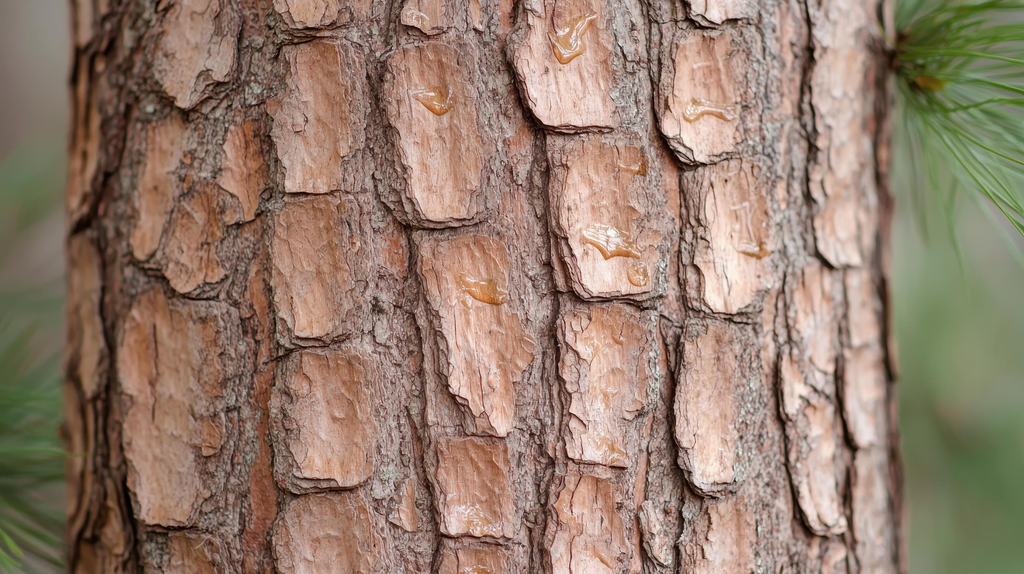
Pine bark is a versatile natural material that has become popular in gardening, horticulture, landscaping, and outdoor applications. Produced from the bark of pine trees, it can be processed into different sizes and textures to suit specific purposes. Gardeners often appreciate pine bark because it provides useful structure, while its natural appearance also blends easily with plants and outdoor environments.
From growing orchids to creating practical surfaces for outdoor areas, pine bark can serve several functions. The key is selecting the right type and size for the intended application. Fine bark, medium pieces, and larger nuggets each have different characteristics, making it important to understand their differences before use.
What Is Pine Bark?
Pine bark is the outer layer of pine trees that is collected and processed into usable horticultural material. Depending on the manufacturing process, it can be screened, shredded, or cut into different particle sizes.
Its natural texture makes it useful as a growing medium component, mulch, landscaping material, and ground covering. Pine bark can also help create a more natural visual appearance compared with some manufactured landscaping products.
The characteristics of pine bark can vary according to the tree source, processing method, particle size, moisture level, and intended application. For this reason, buyers should check product specifications before selecting a particular type.
Pine Bark for Orchids
Orchids require a growing environment that provides adequate air movement around their roots while also offering appropriate moisture management. This is one reason pine bark for orchids is commonly considered by orchid growers.
Unlike dense garden soil, larger pieces of pine bark can create spaces between particles. These spaces can improve airflow around orchid roots and allow excess water to drain more readily. This characteristic can be particularly useful for epiphytic orchids, which naturally grow attached to trees rather than directly in conventional soil.
Pine bark can be used as part of an orchid potting mix rather than necessarily being used as the only ingredient. Growers may combine bark with other suitable materials depending on the orchid species, container, local climate, and watering routine.
Choosing the Right Bark Size for Orchids
Particle size is an important consideration when preparing an orchid growing medium. Smaller orchids or young plants may benefit from a finer structure, while mature orchids with larger root systems can often work well with larger bark pieces.
Larger bark particles generally create more air space and drainage, while smaller particles can retain moisture for longer. The appropriate balance depends on the plant and growing environment.
It is also important to consider the condition of the bark. Clean, properly processed material is preferable for horticultural applications. Growers should follow preparation recommendations supplied by the manufacturer, especially when using bark in a new potting mix.
Pine Bark as a Natural Landscaping Material
Outside orchid cultivation, pine bark is widely used in gardens and landscaping. It can be spread around ornamental plants, trees, shrubs, and garden beds as a decorative ground covering.
The natural brown tones of pine bark can complement green foliage and other organic landscaping elements. It can also create a visually consistent surface between plants.
Pine bark mulch is available in different grades, from relatively fine pieces to larger chunks. The choice depends on the desired appearance and the practical requirements of the landscape.
Pine Bark Nuggets for Chicken Run Areas
Outdoor chicken runs require careful consideration because the ground can become compacted, muddy, or difficult to maintain. A suitable ground-covering material can help create a more manageable environment.
Pine bark nuggets for chicken run areas can be considered as one type of natural ground-covering material. Larger bark pieces can create a textured surface and may provide an alternative to bare soil in suitable outdoor setups.
Before using any bark product around chickens, however, it is important to verify that the specific product is untreated and appropriate for animal environments. Bark containing additives, chemicals, dyes, or unsuitable treatments should not be used simply because it is labeled as a landscaping product.
The chicken run should also have adequate drainage, ventilation, and regular cleaning. Pine bark does not replace good husbandry practices, and the suitability of any ground covering depends on the conditions of the enclosure.
Benefits of Larger Pine Bark Nuggets
Larger bark nuggets can provide a distinctive texture compared with fine mulch. Their size may also make them less likely to become compacted as quickly as very fine materials.
For landscaping, larger pieces can create a decorative natural appearance and may be suitable around trees, pathways, and garden features. In appropriate animal areas, they may provide an alternative surface to bare ground.
However, the best material depends on the specific environment. Users should consider moisture, drainage, cleaning requirements, animal safety, and the source and treatment of the bark before making a decision.
Selecting Quality Pine Bark Products
When purchasing pine bark, quality and consistency are important. Buyers should look at particle size, cleanliness, moisture content, processing method, and packaging.
For horticultural use, growers may want bark that has consistent particle sizes and is suitable for mixing with other growing media. For landscaping, appearance and durability may be more important.
For chicken runs or other animal environments, product safety becomes an additional consideration. Buyers should ask suppliers whether the bark has been treated with preservatives, pesticides, dyes, or other substances.
Making the Most of Natural Bark Materials
Pine bark demonstrates how a natural tree by-product can be processed into practical materials for gardening and outdoor applications. Its range of particle sizes allows it to serve different purposes, from supporting orchid root systems to providing decorative ground coverage.
The right product should always be selected according to its intended use. Orchid growers need to focus on aeration, drainage, and moisture management, while landscaping and animal-area applications require different considerations.
With proper product selection and responsible use, pine bark can be a useful addition to gardening and outdoor spaces.
Contact Our Team
For more information about natural bark products and other gardening or outdoor materials, please contact our team:
Visi Arlion International PVT LTD
WhatsApp: +62-813-1006-910 (Ms. Mala)
Email: sales@arlion.co.id