
Red Flags in Social Media and Digital Trust Issues
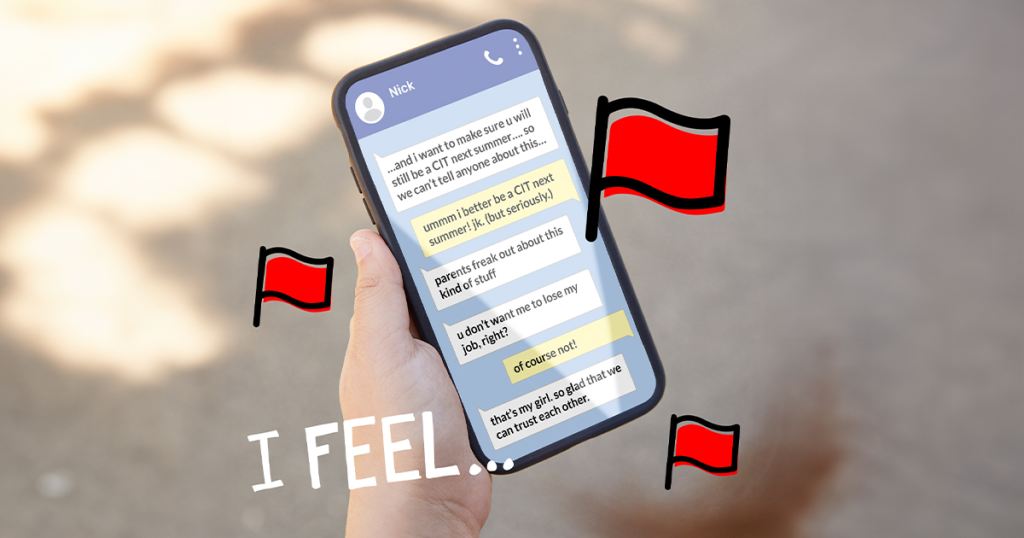
In today’s hyper-connected world, people don’t meet in silence anymore-they meet through screens, profiles, stories, and curated timelines. Every swipe, like, and comment builds a digital identity that feels real, yet can be carefully engineered. This is where confusion begins. What looks genuine at first glance may quietly hide inconsistencies, and what feels trustworthy may actually be constructed.
Understanding human behavior online has become less about intuition and more about interpretation. The challenge is not just connecting with others, but correctly reading what they choose to show. That’s where the idea of red flags in social media becomes increasingly important in modern digital interactions.
Why Social Media Trust Has Become Complicated
Social platforms are designed for expression, not verification. People post highlights, not full realities. This creates a gap between perception and truth that can easily mislead someone trying to build trust.
Modern relationships, friendships, and even professional connections now begin in environments where identity is flexible. A person can appear active, social, and transparent while still carefully hiding key inconsistencies.
Common early warning signs often include:
- Inconsistent personal details across posts or platforms
- Over-curated profiles with no natural or casual content
- Sudden disappearance or selective posting patterns
- Engagement that feels artificial or repetitive
- Avoidance of direct personal questions or identity clarity
These patterns don’t always indicate deception, but they do signal the need for closer attention. Recognizing red flags in social media early helps reduce emotional misjudgments and prevents misplaced trust.
Behavioral Patterns That Often Signal Inconsistency
Before diving into tools or solutions, it’s important to understand behavior itself. Most online inconsistencies are not dramatic-they are subtle, repetitive, and easy to overlook.
Some common behavioral signals include:
- A profile that changes tone dramatically over time
- Excessive use of stock-like photos or overly polished selfies
- Lack of real-world interaction in comments or tags
- Stories that contradict previous posts or statements
- Strong emotional engagement without personal disclosure
Individually, these signals may not mean much. But when patterns repeat, they start forming a clearer picture. This is where many users begin to notice red flags in social media, especially in new or uncertain connections.
The problem is that manual observation is slow, emotional, and often biased. People tend to interpret behavior based on feelings rather than structured analysis.
The Limitations of Manual Observation
Trying to analyze someone’s online behavior manually is like solving a puzzle with missing pieces. You only see what is visible at the moment, not what is hidden in history or context.
Some key limitations include:
- Memory bias when recalling past posts or interactions
- Emotional influence affecting judgment
- Inability to track long-term behavioral changes consistently
- Difficulty connecting scattered digital signals across platforms
- Overthinking isolated actions without context
Because of these limitations, many individuals misinterpret signals-either ignoring real issues or overreacting to harmless behavior. This makes it harder to properly evaluate red flags in social media without a structured approach.
At this stage, technology begins to play a supportive role in organizing scattered digital signals into clearer patterns.
How AI Changes the Way We Understand Online Behavior
Artificial intelligence does not replace human judgment-it enhances it. Instead of focusing on isolated actions, AI systems can help organize behavioral data into patterns that are easier to understand.
This shift is especially useful when dealing with incomplete or inconsistent online information. Rather than guessing, users can rely on structured insights that highlight behavioral trends over time.
This is where tools like Socialprofiler AI Chatbot enter the picture.
Socialprofiler AI Chatbot: Turning Confusion Into Clarity
Socialprofiler AI Chatbot is designed to help users make sense of publicly available digital behavior by organizing scattered information into meaningful context. Instead of manually analyzing every detail, users can interact with an AI system that processes patterns and provides structured insights.
It works like a conversational assistant where users can ask questions about someone’s online presence, behavior patterns, and general interests.
Understanding Digital Profiles Smarter
One of the most practical uses of Socialprofiler AI Chatbot is simplifying complex digital behavior. Instead of scrolling endlessly through profiles, users can ask focused questions such as behavioral patterns, activity style, or general interests.
This helps reduce confusion and allows users to better interpret red flags in social media without relying on emotional assumptions.
The tool does not make conclusions-it organizes signals so users can think more clearly.
Socialprofiler AI Chatbot: Organizing Scattered Information
Online identities are often fragmented across multiple posts, platforms, and time periods. Socialprofiler AI Chatbot helps bring this scattered information into one place.
It focuses on:
- Grouping repeated behavior patterns
- Highlighting inconsistencies across posts
- Summarizing visible interests and activities
- Structuring unclear digital signals into readable insights
By doing this, users are less likely to misread isolated actions and more likely to understand broader behavioral trends.
Socialprofiler AI Chatbot: Supporting Better Questions
One of the biggest challenges in online interactions is not just finding answers, but asking the right questions. Many people struggle with what to ask or what to look for.
Socialprofiler AI Chatbot helps users refine their curiosity by suggesting meaningful directions of inquiry. Instead of random guessing, users can explore structured perspectives such as lifestyle consistency, communication style, or interest alignment.
This makes it easier to identify red flags in social media without jumping to conclusions based on limited data.
Socialprofiler AI Chatbot: Encouraging Balanced Interpretation
A key advantage of using AI in digital analysis is balance. Not every unusual behavior is suspicious, and not every gap in information means deception.
Socialprofiler AI Chatbot encourages users to:
- Look for repeated patterns instead of isolated actions
- Avoid emotional overreaction to single posts
- Consider context before forming conclusions
- Focus on long-term behavioral consistency
This balanced approach helps prevent misjudgment while still improving awareness.
Responsible Interpretation of Online Behavior
Even with tools and structured insights, human judgment remains essential. Digital signals should always be treated as clues, not final proof.
Healthy interpretation includes:
- Avoiding assumptions based on one post or action
- Understanding that online personas are curated
- Recognizing emotional bias in interpretation
- Focusing on patterns over time rather than moments
When users apply this mindset, they become better at identifying meaningful signals without falling into unnecessary suspicion.
Final Thoughts
The digital world has made human behavior more visible, but also more complex. Every profile tells a story, yet not always the full story. This is why understanding red flags in social media has become an essential part of modern online awareness.
By combining careful observation with structured AI assistance like Socialprofiler AI Chatbot, users can move beyond confusion and into clarity. The goal is not to judge quickly, but to understand better-through patterns, context, and thoughtful interpretation.


